Fashion Warehousing Saudi Arabia: Smart Storage for 2026
Fashion warehousing in Saudi Arabia has become a make-or-break decision for apparel brands racing to meet 2026’s e-commerce demand. Shoppers now expect next-day delivery, flawless garment condition, and effortless returns — and none of that happens without the right storage infrastructure behind the scenes. For fashion retailers scaling across Riyadh, Jeddah, and the Eastern Province, warehousing is no longer a back-office afterthought; it is a competitive advantage.
The Kingdom’s apparel market is expanding fast, driven by Vision 2030 retail reforms and a young, mobile-first consumer base. That growth brings real operational pressure: more SKUs, more seasonal swings, and more fragile inventory that cannot simply sit in a hot, dusty shed.
Why Saudi Fashion Brands Need Specialized Warehousing in 2026
Apparel is not like dry goods. Fabrics absorb humidity, dyes fade under heat, leather cracks, and embellished pieces snag or deform when crammed into generic shelving. A warehouse built for furniture or electronics rarely treats clothing with the care it needs.
Fashion brands also deal with constant seasonal turnover — summer linens one quarter, winter outerwear the next — plus the return-heavy nature of online apparel sales. According to the Saudi General Authority for Statistics, e-commerce retail spending has continued its multi-year climb as digital shopping becomes the default channel for clothing purchases, and that trajectory shows no signs of slowing through 2026. You can review the underlying national retail and e-commerce figures directly from the Saudi General Authority for Statistics.
The Hidden Cost of Generic Storage
Brands that store apparel in non-specialized facilities often absorb losses nobody tracks on a spreadsheet: mildew damage, color bleed, crushed packaging, and slow picking times that delay order fulfillment. Multiply that across thousands of SKUs and the margin erosion is real.
What Makes Fashion and Apparel Storage Different
Good apparel warehousing solves three problems at once: protection, organization, and speed. Here is what separates a purpose-built fashion facility from a standard pallet yard.
- Humidity and temperature control — prevents mildew, fabric yellowing, and leather degradation.
- Hanging and folded-garment zoning — reduces creasing and handling damage before dispatch.
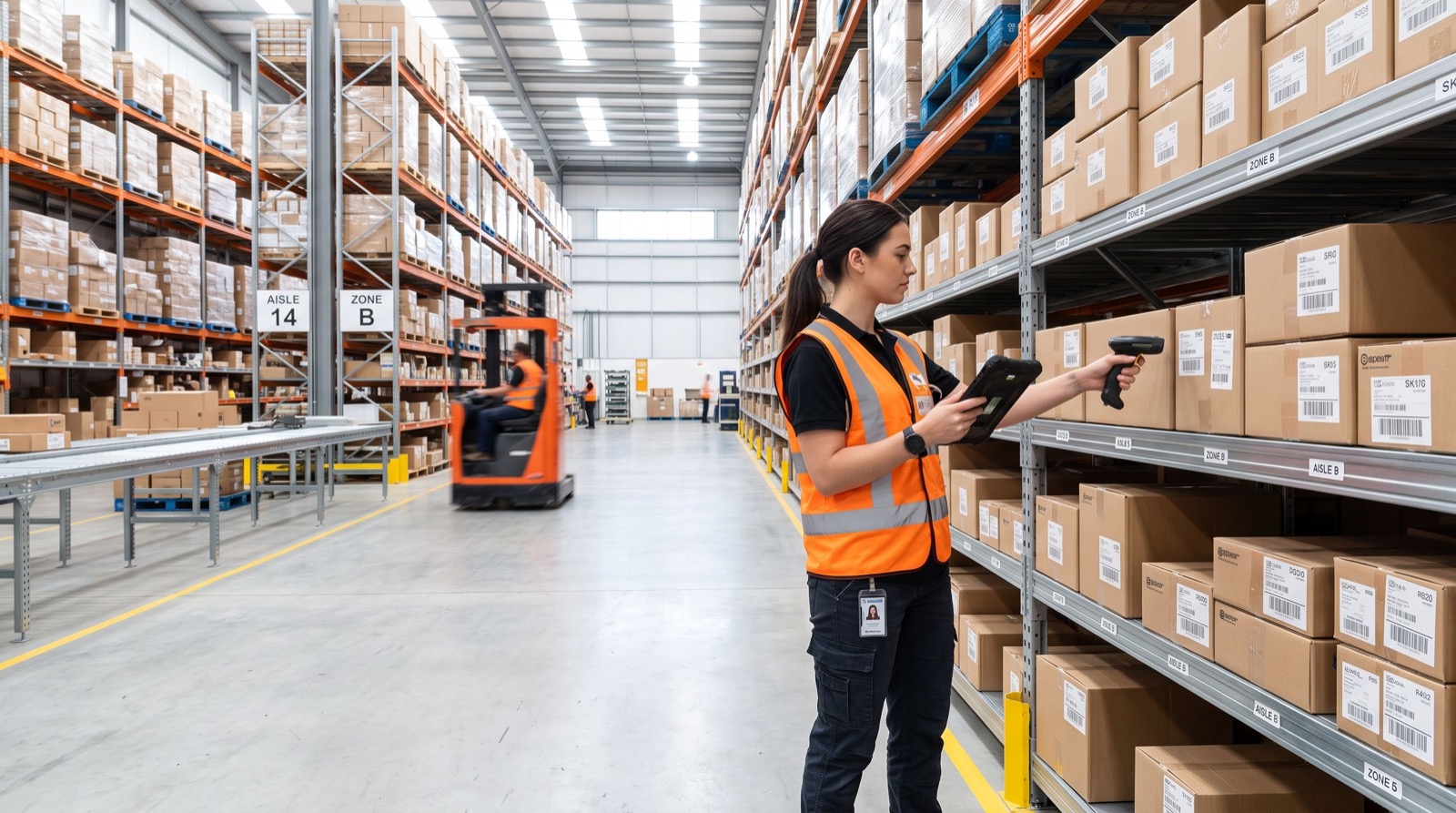
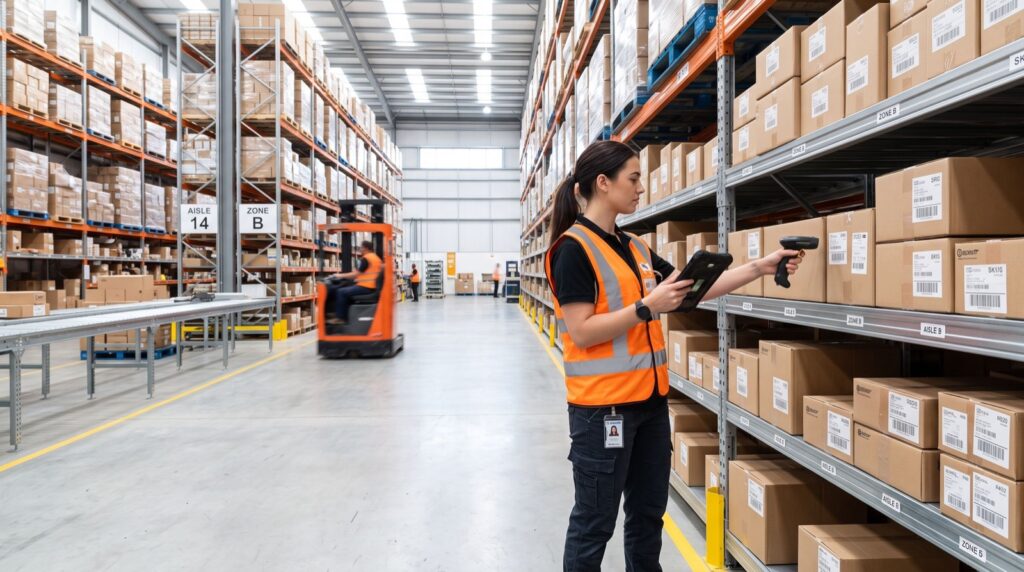
- Barcode-driven SKU tracking — critical when a single style carries a dozen size and color variants.
- Fast cross-docking — supports same-day and next-day e-commerce promises.
- Secure, pest-free rooms — protects high-value or embellished pieces from contamination.
Brands handling a full range of clothing, accessories, and seasonal collections benefit from facilities purpose-built around these needs, such as the dedicated Storage for the Fashion Industry solutions now available across the Kingdom, which are designed specifically around garment-safe handling rather than generic pallet storage.
Climate-Controlled Storage for Delicate and Mixed Inventory
Many fashion brands in Saudi Arabia no longer sell clothing alone. Beauty add-ons, leather care products, perfumed accessories, and limited-edition collaborations often ship alongside apparel, and several of those items are temperature-sensitive. A single heat spike during a Dammam summer can ruin a batch of cosmetics bundled with a clothing line, or warp adhesive-backed accessories.
This is where climate-controlled space earns its cost. Keeping sensitive stock in a properly managed Chilled Storage in Dammam facility protects product integrity year-round, rather than relying on inconsistent air conditioning in a converted retail unit.
Why Dammam Specifically?
Dammam sits at the center of the Eastern Province’s logistics corridor, with strong port access and highway links to Riyadh and the broader GCC. Brands distributing nationally — or exporting into neighboring Gulf markets — gain real transit-time advantages by basing climate-sensitive stock there instead of a single Riyadh-only hub.
Ambient, Chilled, or Frozen — Which Storage Tier Fits Fashion Inventory?
Not every item in a fashion brand’s catalog needs the same storage tier. The table below breaks down what actually requires climate control versus what can sit in standard ambient space.
| Inventory Type | Recommended Storage | Primary Risk if Mishandled |
|---|---|---|
| Cotton, denim, synthetic apparel | Ambient, humidity-controlled | Mildew, odor, fading |
| Leather goods and bags | Climate/chilled-adjacent | Cracking, mold |
| Bundled beauty or scented accessories | Chilled storage | Melting, separation, spoilage |
| Limited-edition embellished pieces | Secure ambient, low humidity | Tarnishing, snagging |
| Seasonal bulk stock (off-season) | Ambient, long-term racking | Dust, pest exposure |
How Do You Choose the Right Warehousing Partner for a Fashion Brand?
Start by auditing what you actually store — if even 10–15% of your catalog is temperature-sensitive, a hybrid facility offering both ambient and chilled space saves you from juggling two vendors. Next, check pick-and-pack speed, since fashion e-commerce lives or dies on fulfillment time. Finally, confirm the warehouse can scale with your seasonal peaks rather than leaving you scrambling every Ramadan or back-to-school rush.
It also pays to look beyond the four walls of the warehouse. A great fulfillment setup still needs visibility online, and pairing solid storage with quality service providers who understand e-commerce SEO and digital merchandising ensures the products sitting safely in storage actually get found and sold.
A Practical Checklist Before You Sign a Warehousing Contract
- Confirm humidity and temperature logs are actively monitored, not just promised.
- Ask how returns are inspected, re-tagged, and restocked.
- Request average same-day dispatch cutoff times.
- Verify pest control and fire-safety certifications.
- Check whether chilled space is available on-demand for seasonal product bundles.
Frequently Asked Questions
Do fashion brands really need chilled storage, not just ambient space?
Most apparel is fine in well-managed ambient storage, but any brand bundling cosmetics, scented accessories, or adhesive-backed items should keep that portion of inventory in chilled storage to prevent spoilage and melting during hot months.
How much does fashion warehousing in Saudi Arabia typically cost?
Pricing depends on square footage, climate control needs, and handling volume, but brands generally save money overall by preventing damage losses, which often outweigh the slightly higher cost of specialized storage.
Is Dammam a good location for a national fashion fulfillment hub?
Yes. Dammam’s port and highway access make it efficient for both domestic distribution and regional export, especially for brands also shipping into neighboring Gulf markets.
Can a single warehouse handle both ambient and chilled fashion inventory?
Yes, modern facilities increasingly offer zoned ambient and chilled sections under one roof, which simplifies logistics for brands with mixed product catalogs.
Final Thoughts on Fashion Warehousing in Saudi Arabia for 2026
Fashion warehousing in Saudi Arabia is no longer just about having a roof over your stock. As 2026 pushes e-commerce expectations higher, brands that invest in climate-appropriate, well-organized storage will out-execute competitors still relying on generic facilities. Pair the right warehouse with the right digital strategy, and your inventory stops being a cost center — it becomes the engine behind faster, safer growth.