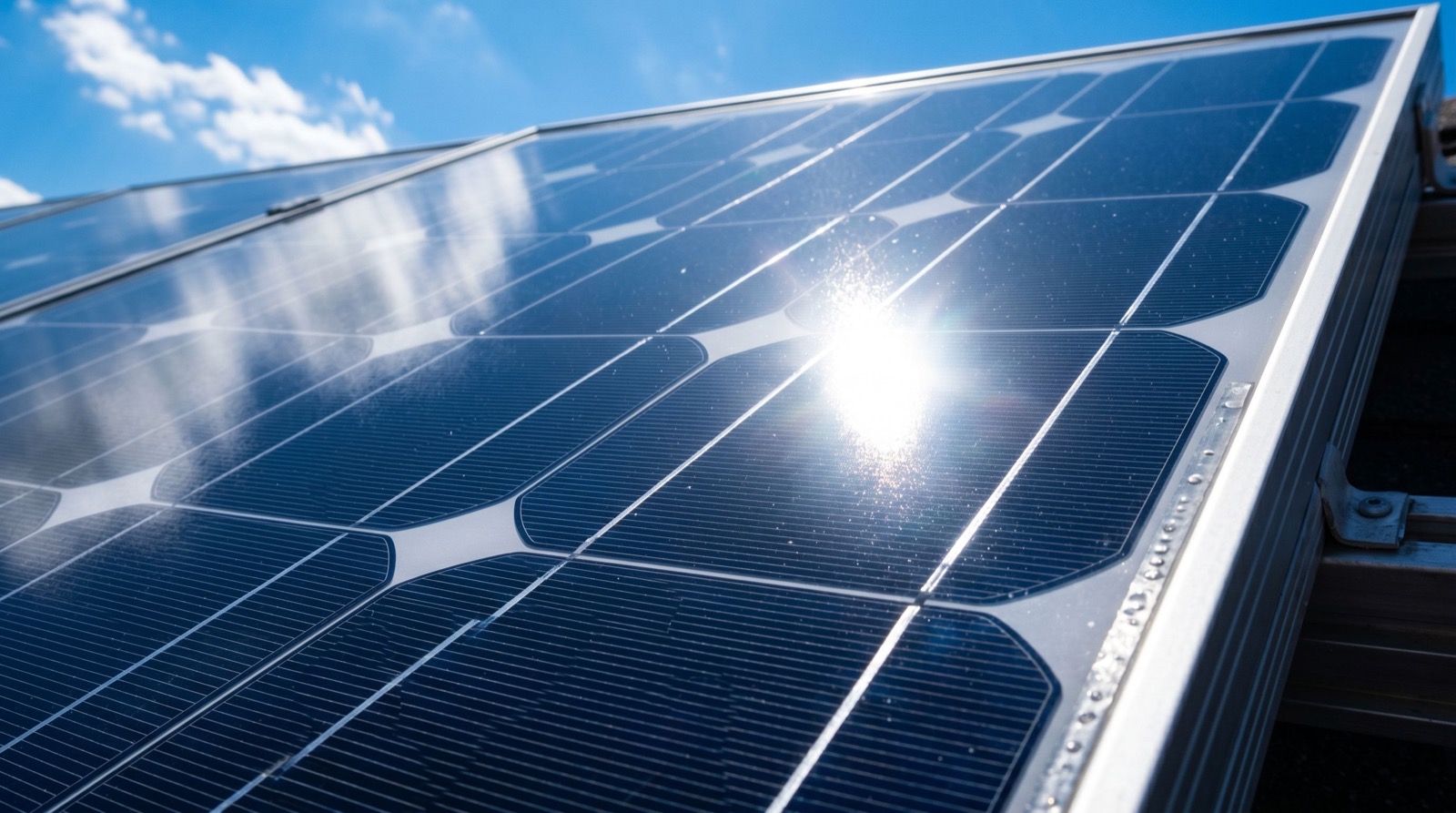
Walking into a solar showroom in 2026 feels a lot like shopping for a fridge or a phone: shelves lined with panels, wall-mounted inverters humming on display, and staff quoting kilowatt-hours instead of megapixels. For most Pakistani households, going solar is now a retail decision, not an engineering project. This guide walks you through what to look at on the shop floor, how to read a quote, and how to shop for solar panels in Pakistan without overpaying.
Why Buying Solar in 2026 Feels Like Retail Shopping
Grid tariffs have climbed steadily, and rolling load-shedding still bites during summer peaks. That pressure has turned solar from a luxury into a household appliance category. Prices per watt have softened as global module supply grew, so a mid-size home system that felt out of reach three years ago is now a weekend purchase for many families.
The retail angle matters because it changes how you should shop. You are no longer commissioning a bespoke installation; you are comparing products, warranties, and after-sales service the same way you would compare washing machines. That means brand reputation, stock availability, and the shop’s return policy count just as much as raw wattage.
The Four Things Every Buyer Should Inspect on the Shop Floor
Before you pay a rupee, physically handle the hardware. A confident retailer will let you inspect stock rather than shipping a mystery box after payment.
- The panel label — check the wattage, cell type (N-type or PERC), and the manufacturer’s name printed on the back sheet, not just a sticker.
- The inverter display — power on a demo unit and confirm the screen, app pairing, and fault codes actually work.
- The battery data sheet — look for cycle count, depth of discharge, and chemistry (LiFePO4 is now standard for home storage).
- The mounting kit — aluminium rails and stainless fasteners resist corrosion far better than cheap galvanised steel.
If a shop cannot produce a spec sheet on request, treat that as a warning sign. Genuine distributors keep manufacturer documentation on hand.
Matching System Size to Your Bill
A quick rule of thumb: divide your average monthly units (kWh) by 120 to estimate the kilowatt of panels you need. A home burning 600 units a month lands around a 5 kW system. Always size for your summer peak, not your winter low, or you will run short exactly when you need power most.
Reading a Solar Quote Without Getting Lost
Quotes vary wildly because vendors bundle components differently. To compare fairly, break every quote into the same line items and check what is genuinely included versus what gets billed later.
| Line Item | What to Confirm | Common Hidden Cost |
|---|---|---|
| Solar panels | Wattage, brand, quantity, warranty years | Freight to your city |
| Inverter | Hybrid vs on-grid, surge rating | Wi-Fi dongle sold separately |
| Battery | Usable kWh, cycle life | Battery rack or cabinet |
| Mounting | Roof type, rail material | Extra rails for tilt |
| Installation | Labour, wiring, earthing | Net-metering paperwork |
When two quotes look close, the difference is usually service. A shop that handles your net-metering application and offers on-site maintenance is worth a small premium. That is why choosing the best solar company often comes down to who stands behind the sale, not who prints the lowest number.
Warranties: The Part Shoppers Skip and Regret
Warranties are where retail solar quietly separates good vendors from bad ones. Panels typically carry two promises: a product warranty (against defects) and a performance warranty (guaranteed output over 25 years). Ask for both in writing.
Inverters usually carry 5 to 10 years, and batteries are rated in cycles. According to the U.S. National Renewable Energy Laboratory, quality crystalline panels degrade less than 0.5% per year, so a good module should still deliver over 85% of its rated output after two decades. Keep every warranty card and invoice in one folder; you will need them if a claim ever arises.
How to Vet a Retailer’s After-Sales Promise
Ask three simple questions: Who installs it? Who services it if it fails? And how fast do they respond? Reputable shops keep spare inverters and a service van. When you connect with quality service providers, you gain a team that answers the phone in year three, not just on the day you pay.
Panels, Inverters, or Batteries: Where to Spend First
When budget is tight, buyers often ask which component deserves the biggest slice of the wallet. The honest answer depends on your goal, but a few principles hold true across most Pakistani homes.
Spend on panel quality first, because they are the hardest component to replace and carry the longest warranty. A tier-one module that still performs in 2046 is a genuine investment. Next comes the inverter, the brain that protects your appliances and enables backup; a cheap inverter that fails takes your whole system offline. Batteries, finally, can often be added or expanded later, so it is reasonable to start with modest storage and grow it as your budget allows.
One practical tip from the field: buy a slightly larger inverter than you need today but pair it with only the panels and battery you can afford now. That leaves room to expand without replacing the costly core electronics, which is exactly how many families scale their systems over two or three years.
Should You Wait for Prices to Drop Further?
It is tempting to hold out for cheaper hardware next year, but every month you delay is a month of paying full grid tariffs. Given how fast bills have risen, the savings you forfeit by waiting usually outweigh the modest price drops on the horizon. If your bill is already painful, buying now and starting the payback clock is almost always the smarter move.
Smart Ways to Save Money When You Buy Solar
Solar is a big purchase, but a few tactics keep the cost sensible without cutting corners on safety or quality.
- Buy in shoulder season. Demand spikes before summer; shop in winter for better deals and faster installs.
- Bundle components. A single vendor supplying panels, inverter, and battery often discounts the package.
- Right-size, don’t oversize. Adding two extra panels beats buying a needlessly huge inverter.
- Apply for net metering. Selling surplus back to the grid shortens your payback period.
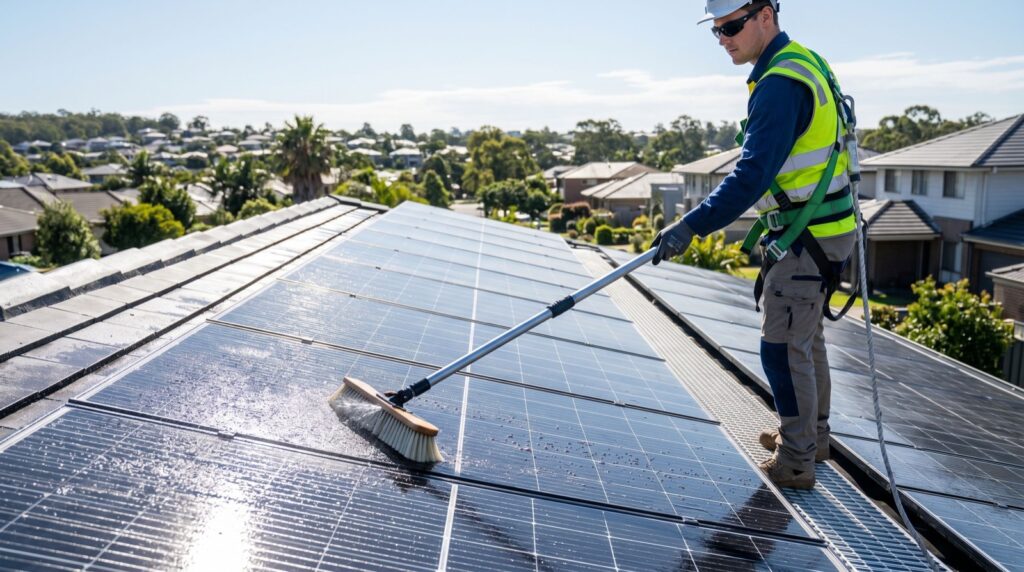
- Keep panels clean. Dust in Pakistan’s climate can cut output 15%; a monthly rinse pays for itself.
Frequently Asked Questions
How much does a home solar system cost in Pakistan in 2026?
A quality 5 kW hybrid system with lithium storage typically ranges from roughly PKR 900,000 to 1,400,000 installed, depending on brand and battery size. On-grid systems without batteries cost noticeably less.
Should I buy solar panels online or from a physical store?
Both work if the vendor is reputable. Physical stores let you inspect stock and get local installation, while established online retailers offer wider selection. Prioritise warranty and after-sales support over channel.
What is the difference between an on-grid and hybrid inverter?
An on-grid inverter feeds the grid and needs it to run, offering no backup during outages. A hybrid inverter adds batteries, so you keep power during load-shedding. Most Pakistani homes now choose hybrid.
How long do solar panels last?
Tier-one panels are engineered for 25 to 30 years, losing only a fraction of a percent of output each year. Inverters usually need replacement once in that span; batteries depend on cycle count.
Final Thoughts Before You Buy
Treat your solar purchase like any other major appliance: compare specs, demand warranties, and buy from a shop that will still pick up the phone years later. When you shop for solar panels in Pakistan with that mindset, you get lower bills and fewer headaches. Ready to switch? Visit a trusted solar store, ask for a full written quote, and start powering your home with sunlight in 2026.