The Kingdom of Saudi Arabia is witnessing a rapid transformation in its logistics and cold chain sectors, driven by the ambitious goals of Vision 2030. Once a niche requirement, Frozen Storage has become a critical backbone for the nation’s food security, healthcare advancement, and economic diversification. From ensuring a steady supply of imported poultry to safeguarding life-saving vaccines, the demand for reliable, high-tech frozen storage facilities is growing at an unprecedented rate.
This comprehensive guide explores the science behind frozen storage, the dynamic market in Riyadh, the Kingdom-wide trends, and why choosing a top-tier partner like Units is essential for protecting your cold chain.
Frozen Storage: The Science of Preservation
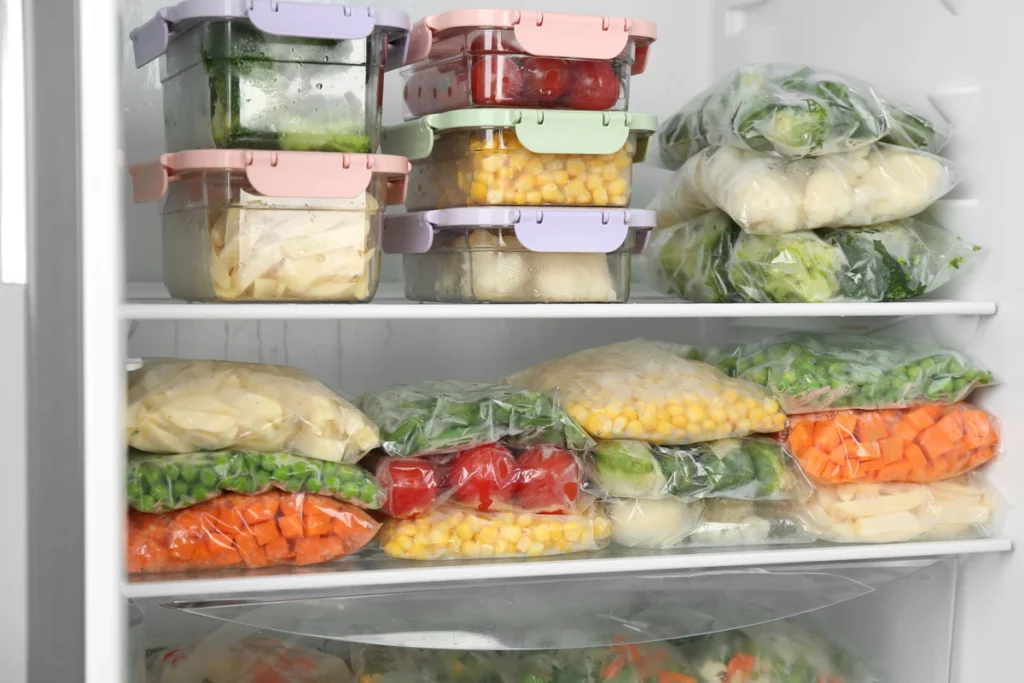
Unlike chilled storage, which merely slows bacterial growth, Frozen Storage halts biological activity almost entirely by reducing product temperatures to -18°C (0°F) or lower . At these temperatures, water turns to ice, microbial activity ceases, and enzymatic reactions become negligible, allowing products to remain safe and nutritious for months or even years.
The Saudi Arabian cold chain warehousing market is a powerhouse, valued at USD 2.5 Billion in 2025 and projected to reach an impressive USD 6.7 Billion by 2034, growing at a robust CAGR of 11.51% . Notably, the frozen storage segment dominates this market, holding a commanding 55% share, far surpassing the needs of general chilled warehousing . This underscores the Kingdom‘s heavy reliance on freezing for imported proteins, processed foods, and long-term strategic reserves.
Key Requirements of Professional Frozen Storage
Operating a professional frozen storage facility requires far more than a standard warehouse with industrial air conditioners. Critical infrastructure includes:
- High-Performance Insulation: Specialized panels (often 150mm-200mm thick) that prevent thermal exchange.
- Redundant Refrigeration Systems: Industrial-grade units with automatic failover to ensure zero downtime.
- Real-Time Monitoring (IoT): Sensors that provide 24/7 data on temperature and humidity, linked to central control towers.
- Robust Backup Power: Generators with on-site fuel reserves for 72+ hours of continuous operation to combat grid instability.
Frozen Storage in Riyadh: The Capital‘s Strategic Hub
Riyadh is the undisputed epicenter of the Kingdom’s cold chain expansion. As the largest market for consumer goods and a central logistics node, Frozen Storage in Riyadh is characterized by high-tech facilities designed to withstand the capital’s extreme summer temperatures and serve its massive population.
World-Class Pharmaceutical Logistics
A landmark development is the inauguration of Saudi Arabia’s first GMP-GxP certified logistics depot in Riyadh by AJEX . This purpose-built facility represents a quantum leap for Frozen Storage in Riyadh because it includes:
- -20°C Chamber: A dedicated frozen section specifically designed for advanced cell therapies, biologics, and other ultra-sensitive frozen pharmaceuticals .
- 2°C to 8°C Chambers: For refrigerated biologics and vaccines.
- Real-time Monitoring: The facility is integrated with alert systems and backup infrastructure to ensure full compliance with the Saudi Food and Drug Authority (SFDA) regulations .
Scale and Capacity
Riyadh also houses massive multi-user warehouses. Industry data indicates that the Riyadh region is a focal point for investments in energy-efficient, solar-powered cold storage solutions, aligning with the Kingdom’s push for sustainability and reduced operational costs .
Frozen Storage in Saudi Arabia: A National Perspective
While Riyadh is the engine, the growth of Frozen Storage in Saudi Arabia is a national phenomenon, fueled by massive government investment and the rise of specialized sectors.
Vision 2030 and Infrastructure Expansion
The government has earmarked a staggering USD 133 billion for logistics infrastructure, including 59 logistics centers spanning 100 million square meters to be delivered by 2030 . Twenty-one of these centers are already in execution. This expansion is designed to integrate with the national rail grid (lowering long-haul costs by 15%) and the Fasah customs portal, drastically reducing import dwell times that can jeopardize frozen cargo integrity .
The Rise of Pharma and Specialized Storage
The pharmaceutical cold chain is one of the fastest-growing segments. The SFDA‘s strict enforcement of Good Distribution Practices (GDP) is compelling massive investment. For example, NAQEL Express has invested SAR 200 million in a Jeddah warehouse featuring multi-temperature zones dedicated to biologics and vaccines, while AJEX has established the first GMP-certified depot in Riyadh . This specialized sector is growing at a 5.40% CAGR, outstripping the overall market growth, and requires ultra-low temperature storage down to -80 °C .
The Saudi Food and Drug Authority (SFDA) plays a critical role here. It actively monitors the industry, conducting inspection campaigns to ensure that facilities handling frozen food comply with national safety standards to prevent foodborne illnesses . For frozen storage operators, continuous temperature monitoring, HACCP certification, and strict hygiene protocols are not optional—they are the baseline for legal operation .
Sustainability: The Solar Revolution
A major trend is the shift toward sustainable energy. The Saudi Arabia Solar Powered Cold Storage market is already valued at USD 850 million . Driven by high energy costs (which account for 25-35% of operational expenditure) and Vision 2030‘s decarbonization commitments, the adoption of solar-powered fixed storage rooms and hybrid units is surging . This reduces reliance on the national grid and stabilizes long-term operational costs for frozen storage providers .
Units: Your Trusted Partner for Frozen Storage
In a market defined by precision, reliability, and regulatory rigor, choosing the right logistics partner is critical. Units is the top company for frozen storage solutions across Saudi Arabia. We combine local expertise with world-class infrastructure to ensure your cold chain never breaks.
Why Units is the Industry Leader
- SFDA and GDP Compliant: Our facilities meet the highest Saudi and international standards for food and pharmaceutical storage, ensuring safety and legal compliance for your high-value goods .
- Precisely Calibrated Temperatures: We maintain optimal conditions of -18°C to -24°C for frozen storage . Our advanced digital monitoring systems provide real-time visibility, with clients having 24/7 access to their inventory and temperature data.
- Strict Humidity & Airflow Control: We maintain strict humidity and airflow control to preserve product texture, prevent freezer burn, and ensure long-lasting quality .
- Nationwide Network with Strategic Locations: With strategic operations in key hubs, we offer a seamless cold chain solution that reduces transit times and transportation costs .
- 24/7 Security and Visibility: Our facilities are equipped with 24/7 security monitoring and camera surveillance . Our proprietary digital platform eliminates the guesswork from inventory management, allowing you to focus on your core business.
- Flexible, Scalable Contracts: We understand that your inventory fluctuates. Units offers tailored, flexible storage solutions that allow you to scale capacity up or down based on seasonal demand or business growth .
Don’t let temperature excursions spoil your goods or damage your reputation. Whether you need to store frozen meats, ice cream, or life-saving vaccines, Units provides the security and precision your frozen inventory deserves.
Visit units.sa today to schedule a consultation or a facility tour.
Conclusion
The frozen storage industry in Saudi Arabia is no longer just about storing food; it is a sophisticated, technology-driven sector essential for health and economic security. With the market expanding rapidly, driven by Vision 2030, the demand for reliable, sustainable, and specialized frozen storage in Riyadh and across the Kingdom has never been higher.
The cold chain in Saudi Arabia is evolving:
- Frozen Storage is the dominant segment, valued at billions, crucial for preserving food quality and extending shelf life .
- In Riyadh, the capital is leading the charge with state-of-the-art GMP-GxP certified depots for the pharmaceutical industry and massive-scale food distribution centers .
- Across Saudi Arabia, the market is unified by a shift toward solar-powered, AI-optimized logistics hubs and stringent SFDA and GDP regulations that mandate the highest standards of safety and transparency .
Units stands at the forefront of this transformation, offering SFDA-compliant, technology-driven, and scalable frozen storage solutions. Do not compromise on the safety of your frozen assets. Visit units.sa and discover the future of cold chain logistics.
Frequently Asked Questions (FAQs)
1. What is the ideal temperature for standard frozen food storage?
For most frozen foods (meat, poultry, seafood, and prepared meals), internationally accepted standards and SFDA requirements mandate -18°C (0°F) or lower. Specialized products, like ice cream, often require temperatures as low as -25°C to maintain texture .
2. How fast is the Saudi frozen storage market growing?
The cold chain warehousing market, dominated by frozen storage, is projected to grow from USD 2.5 Billion in 2025 to USD 6.7 Billion by 2034, at an 11.51% CAGR .
3. What is the difference between the Cold Chain Market and the Cold Chain Warehousing Market?
The Cold Chain Market (valued at USD 3.5 Billion) includes both transportation and storage. The Cold Chain Warehousing Market (USD 2.5 Billion) is a sub-segment focusing specifically on storage .
4. Is SFDA certification important for frozen storage?
Yes. The Saudi Food and Drug Authority (SFDA) enforces strict regulations for the storage of frozen foods and pharmaceuticals. For medical products, GDP (Good Distribution Practices) certification is mandatory. Using non-compliant facilities can lead to severe fines, shutdowns, and recalls .
5. How can I monitor my products in a frozen warehouse?
Modern frozen storage facilities, including those operated by Units, utilize advanced IoT sensors and centralized monitoring systems. These systems provide real-time data on temperature and location, often linked directly to a cloud-based dashboard accessible by the client 24/7 .