
After any demolition, construction, renovation, storm event, or major property cleanup, debris is inevitable. In Houston, a city that experiences severe weather, constant development activity, and the ongoing evolution of its residential and commercial building stock, debris removal is not a niche service. It is a routine necessity for homeowners, contractors, developers, and property managers across the metro area.
Debris Removal Services Houston encompass the collection, loading, hauling, and proper disposal of waste material from a wide range of sources. Understanding what types of debris can be removed, how the removal process works, what happens to materials after they leave your site, and how professional debris removal connects to broader construction and site preparation workflows will help you plan your project more effectively.
What Is Debris Removal?
Debris removal is the process of collecting and hauling away unwanted material from a property. In a construction and demolition context, this includes the broken concrete, shattered drywall, crushed lumber, roofing materials, insulation, metal framing, and miscellaneous waste that result from tearing down or renovating a structure. In a residential cleanup context, it encompasses yard waste, old appliances, worn-out furniture, accumulated junk, and storm debris. In a post-disaster context highly relevant in Houston given its history with flooding and hurricane events debris removal involves the removal of flood-damaged materials, storm-downed trees, and the contaminated contents of flooded structures.
Professional debris removal goes beyond simply loading a truck. It involves sorting material to identify what can be recycled, donated, or requires special disposal procedures; ensuring that hazardous materials are identified and handled separately from general debris; transporting material to appropriate disposal facilities; and leaving the site clean and ready for the next phase of work.
Types of Debris Removed in Houston
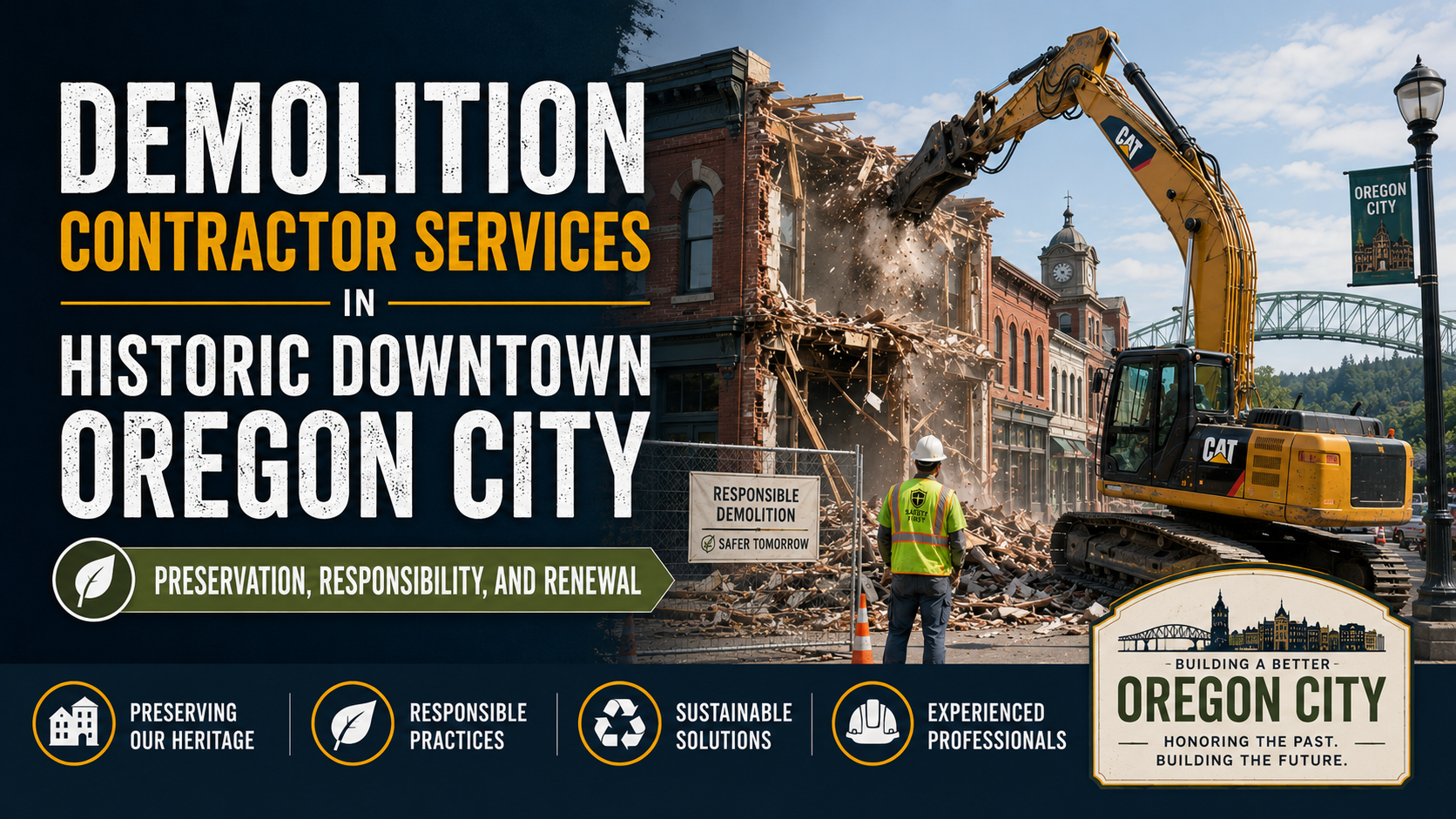
Construction and Demolition (C&D) Debris is the largest category of debris generated in Houston’s active construction market. This includes concrete, asphalt, brick, block, lumber, drywall, roofing materials, tile, insulation, metals, and packaging materials. In a typical demolition project, the material from a demolished structure can fill multiple large haul trucks, and efficient removal is critical to keeping the construction timeline on track. Some C&D materials particularly concrete, clean wood, and metals are highly recyclable, and reputable debris removal services make use of Houston-area recycling facilities to divert these materials from landfills.
Yard Waste and Green Debris includes tree branches, stumps, leaves, grass clippings, brush, and other organic material from land clearing, tree removal, landscaping, and storm cleanup. After a significant weather event in Houston a category of occurrence that includes not just major hurricanes but the frequent severe thunderstorms that can bring down large trees across the city yard waste removal is in extremely high demand. Green debris is often processed through chipping or mulching rather than landfill disposal, which is both more environmentally responsible and more cost-effective.
Residential Cleanout Debris encompasses the accumulated household items, furniture, appliances, and general junk that builds up over time or that needs to be removed during an estate cleanout, a major renovation, a move, or an eviction. This type of debris is typically mixed some items may be donated to local charities, some recycled, and the remainder disposed of at appropriate facilities.
Flood and Storm Debris is a sadly familiar category in Houston. Following Hurricane Harvey in 2017 and the multiple significant flood events that have occurred since, enormous quantities of flood-damaged building materials saturated drywall, flooring, insulation, cabinetry, and personal belongings have required rapid removal from homes across the city. Speed is critical in flood debris removal: the longer wet organic materials remain inside a structure, the more rapidly mold establishes itself, compounding the damage and the remediation challenge. Professional debris removal teams that understand flood recovery can mobilize quickly and work efficiently to strip and clear a flooded structure within the critical window before mold becomes a significant issue.
Post-Construction Cleanup Debris is the material remaining on a construction site at the end of a project. This includes packaging, cutoffs and scraps of building materials, dust and residue from finishing work, and any remaining construction waste. A thorough post-construction cleanup is typically required before a Certificate of Occupancy is issued, and professional debris removal services provide this final clearing efficiently.
How Professional Debris Removal Works
The debris removal process begins with an assessment of the material to be removed. For a straightforward residential junk removal, this may be a quick walk-through to estimate volume. For a post-demolition site, it involves evaluating the types of material present, identifying any potential hazardous material issues, and determining the most efficient loading approach given the site’s access and the equipment available.
Material is then sorted, loaded, and transported. Efficient loading whether into roll-off dumpsters or directly into haul trucks is a skill that experienced crews perform significantly faster and more completely than inexperienced ones. The difference between a crew that can clear a post-demolition site in a day and one that takes several days can have real consequences for a construction schedule.
Proper disposal is the final and often overlooked dimension of professional debris removal. Materials destined for landfill must be taken to facilities licensed for their receipt. Recyclable materials should be directed to appropriate processing facilities. Hazardous materials including asbestos-containing debris, lead paint waste, and contaminated flood materials require handling under specific regulatory requirements, including special packaging, transportation, and disposal at licensed hazardous waste facilities. A professional debris removal service operates in compliance with these requirements, protecting clients from the environmental and legal liability associated with improper disposal.
The Role of Debris Removal in Construction Projects
In a well-managed construction or demolition project, debris removal is not an afterthought it is an integrated part of the project sequence. Debris that accumulates on a job site creates safety hazards, impedes the movement of equipment and workers, and can delay subsequent construction phases if not cleared in a timely way. Experienced demolition and excavation contractors in Houston typically include debris removal as part of their scope of work, ensuring that the site is clean and clear at each milestone in the project.
For developers managing multiple projects simultaneously, having a reliable debris removal partner who can be mobilized quickly and trusted to perform completely is a genuine competitive advantage. Projects move faster when debris is cleared on schedule, and the cost of delays caused by inadequate site cleanup often far exceeds the cost of professional removal services.
Environmental Responsibility in Debris Removal
Houston has made significant investments in recycling infrastructure, and responsible debris removal services in the city take advantage of these facilities to minimize landfill disposal. Concrete from demolition sites is commonly crushed and recycled as base material for roads and parking areas. Clean wood debris can be chipped for mulch or biomass energy. Metal is among the most recyclable construction materials, with a well-developed market for scrap in the Houston area. Drywall (gypsum) from clean demolition not contaminated with mold or asbestos can also be recycled for use in new wallboard manufacturing.
For property owners and developers who prioritize environmental responsibility, discussing recycling practices with your debris removal contractor and specifying diversion goals in the project scope creates accountability and supports better outcomes.
Final Thoughts
Debris removal is an essential service at every stage of Houston’s constant cycle of construction, renovation, and redevelopment. From post-demolition site clearing and flood recovery to residential junk removal and post-construction cleanup, professional debris removal services keep projects moving, sites safe, and communities cleaner. Understanding the different types of debris involved in various project contexts, how the removal process works, and what happens to materials after they leave your site helps you make better decisions and work more effectively with the professionals who handle this critical part of the construction and property improvement process in Houston.